
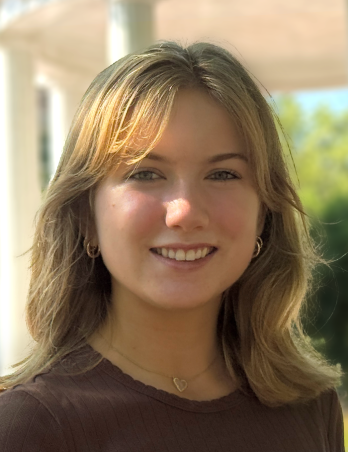
Rae Rackley
Belk Impact Fellow
Rae Rackley is a senior at Duke University majoring in Public Policy with a minor in Statistical Science. She is passionate about using human-centered research, stakeholder engagement, and data analysis to advance equity and human dignity in public institutions, particularly in education and the criminal legal system. Over the past summer, she worked as a research assistant at the Duke Center for Child and Family Policy, where she helped conceptualize and operationalize wellbeing within a literacy program for refugee students. At Duke, as President of the Duke Justice Project, she works to support the wellbeing of justice-involved individuals and promote meaningful criminal legal reform. A North Carolina native, Rae has seen firsthand the transformative role public schools can play in fostering student resilience and opportunity. As a John M. Belk Impact Fellow, she is excited to work with Carolina Demography to strengthen her quantitative research skills and deepen her ability to analyze large datasets, identify trends in education and socioeconomic outcomes, and translate those findings into useful evidence for policy stakeholders.
Outside of school, Rae enjoys long-distance running and is currently training for her first marathon.

Central to our mission at Carolina Demography is helping people get the data they need to make informed decisions. With this in mind, we strongly advocate for a robust and transparent federal data infrastructure. That said, it's not lost on…
Earlier this month the Census Bureau released the 2025 city and town population estimates. These population estimates show how the city and town populations in North Carolina have changed between July 1st, 2024 and July 1st, 2025. North Carolina has…
Last month, the U.S. Census Bureau released its 2025 county population estimates. The annual estimates show the population as of July 1 of the year and it also tells us how the population has changed from July 1, 2024, to…
Your support is critical to our mission of measuring, understanding, and predicting population change and its impact. Donate to Carolina Demography today.